

Views: 0 Author: Site Editor Publish Time: 2026-02-02 Origin: Site


In injection molding, flow marks are visible defects that can appear on the surface of molded parts. These imperfections, often caused by uneven plastic flow, are common in industries like automotive and consumer electronics, where both functionality and aesthetics are crucial. While flow marks may not affect performance, they can lower the visual appeal of the product, leading to rejection or costly rework.
In this article, we will discuss the causes of flow marks in injection molding and explore strategies to prevent them. You'll learn how manufacturers can improve mold design and production processes to ensure high-quality, flawless results.
Flow marks, or flow lines, are visible patterns on the surface of molded parts caused by uneven plastic flow during the injection molding process. They are typically seen near the gate, where molten plastic enters the mold cavity.
The uneven flow occurs when the material cools at different rates, leading to solidification in some areas before others. This results in visible lines or ripples, which can significantly impact the visual appeal of the final product.
Flow Marks Characteristics | Description |
Appearance | Wavy lines or concentric circles |
Location | Typically near the gate |
Cause | Uneven cooling and flow during molding |
Impact | Affects aesthetics, may indicate molding issues |
Huaji Mould designs its molds to ensure uniform flow, reducing the chance of these imperfections and guaranteeing better visual outcomes for the final product.
Flow marks are not just cosmetic issues; they can have a significant impact on the overall quality of the molded product. For industries where aesthetic standards are high, such as automotive and consumer electronics, flow marks can lead to part rejection. Though these marks don’t always affect the part's functionality, they do affect its visual appeal and can influence customer perceptions. Here’s why addressing flow marks is crucial:
● Aesthetic Impact: Flow marks are often seen as cosmetic flaws, leading to rejection, especially in industries requiring high visual standards.
● Functionality vs. Appearance: While flow marks may not impair functionality, they reduce the product's visual appeal, impacting its overall quality perception.
● Process Indicators: Flow marks can signal issues with the injection molding process, like improper temperature or pressure settings.
● Cost and Time Efficiency: Early detection and prevention of flow marks can save both time and costs by avoiding rework or part rejection.
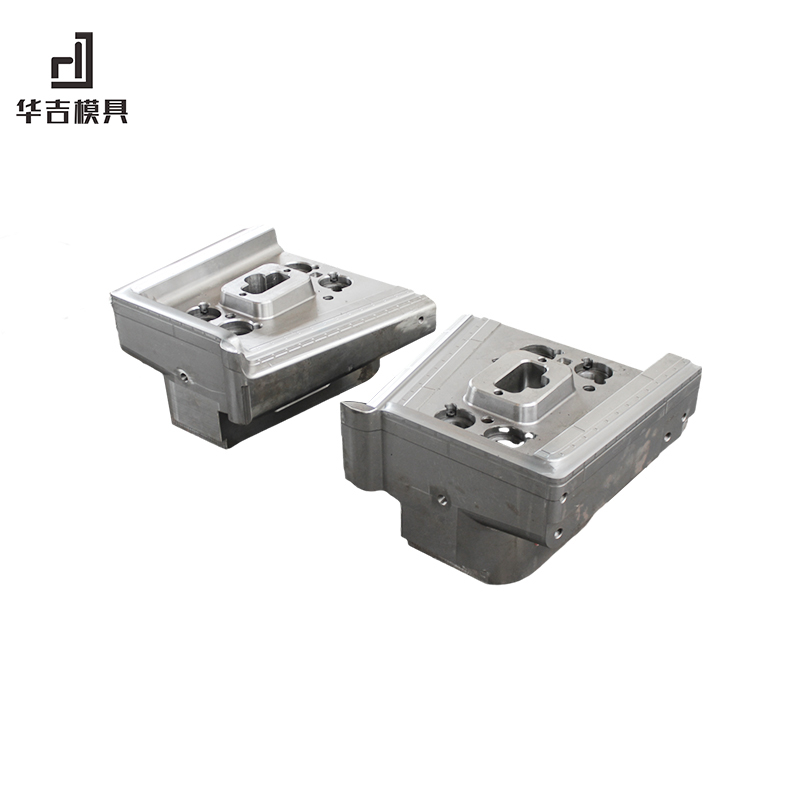
Slow injection speeds can cause the molten plastic to cool before fully filling the mold cavity. When the material cools too early, it creates uneven flow patterns, leading to flow marks. To avoid this, manufacturers must optimize injection speed to ensure a quick, even fill. Adjusting the injection speed allows the material to reach all parts of the mold quickly, reducing the chances of premature cooling.
Low injection pressure may prevent the molten plastic from flowing evenly into the mold, leading to incomplete filling and uneven cooling. This can result in visible flow marks. Increasing injection pressure ensures that the material flows smoothly into all sections of the mold. By using adequate pressure, manufacturers can avoid the issue of underfilled cavities that lead to surface defects.
If the mold temperature is too low, the molten plastic cools too quickly as it enters the mold. This premature cooling causes certain areas to solidify before others, leading to flow marks. Maintaining an optimal mold temperature is essential for ensuring that the material flows evenly throughout the mold cavity. The right temperature ensures smooth filling, minimizing the chances of defects.
Improper gate and runner design can restrict the flow of molten plastic, causing uneven material distribution and resulting in flow marks. Ensuring that gates and runners are correctly designed is essential to achieving uniform filling and preventing flow marks. Manufacturers should optimize gate size and runner system layout to promote a steady flow of material.
A low melt temperature increases the viscosity of the plastic, making it more difficult for the material to flow into the mold. This can cause incomplete filling and uneven flow, resulting in flow marks. Maintaining the correct melt temperature is critical for smooth material flow. When the temperature is balanced, the material is more fluid and easier to inject.
Cause | Effect |
Slow Injection Speed | Premature cooling, uneven flow |
Low Injection Pressure | Incomplete filling, uneven cooling |
Inadequate Mold Temperature | Premature solidification, flow marks |
Incorrect Gate/Runner Design | Restricted flow, uneven distribution |
Low Melt Temperature | Higher viscosity, uneven flow |
To prevent flow marks, manufacturers must optimize injection speed and pressure. Increasing injection speed ensures that the molten plastic reaches the mold quickly, reducing the chances of premature cooling and uneven flow. Similarly, adequate injection pressure is essential to maintaining a consistent flow of material throughout the mold. Both speed and pressure must be finely balanced for the best results.
Maintaining a consistent and optimal mold temperature is key to preventing flow marks. If the mold is too cold, the plastic will solidify before filling the entire cavity, leading to uneven flow and surface imperfections. On the other hand, if the mold temperature is too high, it may cause the plastic to flow too quickly and create other defects. A well-controlled mold temperature allows the material to fill the mold cavity uniformly, reducing the risk of flow marks.
Mold Temperature | Effect on Flow Marks |
Low | Increases premature cooling and uneven solidification. |
High | May cause material to flow too quickly, leading to defects. |
Optimal | Ensures even filling and solidification, minimizing defects. |
Gate and runner design is critical in achieving even material flow and avoiding flow marks. If the gates or runners are too narrow or poorly positioned, the material may not flow evenly, leading to underfilled cavities and visible flow marks.
● Optimize gate design to ensure uniform material flow.
● Increase runner diameter to reduce resistance to the material flow.
By designing efficient gates and runners, manufacturers can avoid uneven filling and reduce the likelihood of flow marks.
Material selection plays a significant role in preventing flow marks. Some plastics, particularly those with low Melt Flow Index (MFI), are more prone to flow marks due to their higher viscosity. Huaji Mould uses advanced Mold Flow Analysis (MFA) tools to ensure that the right materials are selected and that the mold design accommodates the material’s specific flow characteristics.
● Choose low-viscosity plastics for smoother flow.
● Use Melt Flow Index (MFI) as a guide to select suitable materials for the injection molding process.
By selecting the right material and optimizing tooling, manufacturers can ensure smooth, consistent material flow, which helps to reduce defects like flow marks.
Proper cooling time is essential for preventing flow marks. If the mold is ejected too soon, the material may not have solidified uniformly, leading to defects. Allowing the mold to cool for the right amount of time ensures that the part solidifies properly and reduces the risk of flow marks. Cooling time is a key factor in ensuring the smooth surface finish of the molded part.
Mold Flow Analysis is a simulation tool used to predict how molten plastic will flow through the mold cavity during the injection molding process. It helps manufacturers identify potential flow issues before the mold is produced, allowing them to make design adjustments that minimize defects like flow marks. By using MFA, manufacturers can anticipate problems before they occur in the actual production process.
MFA can predict areas of potential flow problems, such as areas where the plastic may cool too quickly or flow unevenly. By identifying these issues early in the design process, manufacturers can adjust gate placements, runner designs, and other mold parameters to prevent flow marks. Huaji Mould integrates Mold Flow Analysis into their design process, ensuring that molds are optimized for flawless results. This proactive approach minimizes the likelihood of surface defects and improves overall product quality.

The Melt Flow Index (MFI) is a measure of how easily plastic flows when heated. Plastics with lower MFI values are more prone to flow marks, as they are more viscous and harder to inject. Manufacturers must consider MFI when selecting materials to ensure smooth flow and minimize the risk of flow marks. Higher MFI values are generally easier to process and flow evenly.
Choosing the right material based on its flow characteristics is essential for preventing flow marks. Some materials flow more easily and evenly than others, reducing the likelihood of defects. Working with experienced suppliers and using advanced tools like MFA can help manufacturers select the best material for the job, ensuring a smoother and more consistent flow during injection molding.
Material temperature plays a significant role in the prevention of flow marks. If the material is too cold, it may not flow properly, leading to incomplete filling and flow marks. On the other hand, if the temperature is too high, the material may flow too quickly, creating other defects. Ensuring the material is at the optimal temperature is essential for achieving smooth, consistent flow.
Factor | Effect |
Melt Flow Index (MFI) | Lower MFI means higher viscosity, more prone to flow marks |
Material Selection | Proper selection ensures smoother flow, reducing defects |
Material Temperature | Optimal temperature ensures consistent flow and fewer defects |
Maintaining a consistent injection rate is key to achieving uniform flow. Variations in injection speed can cause turbulence, leading to uneven filling and flow marks. Manufacturers should invest in machines that can provide precise control over injection rates, ensuring that the material flows steadily and consistently throughout the process.
To optimize material flow, manufacturers should carefully control injection temperature, pressure, and speed. By ensuring that these parameters are set correctly, they can achieve smooth, consistent filling and prevent flow marks. Consistency in these factors leads to fewer defects and improved product quality.
Consistency in both mold design and machine settings is crucial for preventing flow marks. By regularly maintaining molds and machines, manufacturers can ensure that the injection molding process runs smoothly, reducing the risk of defects. This ensures that the process remains efficient and reliable, producing high-quality molded parts with minimal imperfections.
Best Practice | Effect |
Consistent Injection Rate | Ensures uniform flow, reduces turbulence |
Optimizing Material Flow | Controls key parameters for smooth filling |
Maintaining Mold & Machine Consistency | Reduces defects, ensures process reliability |
Flow marks in injection molding can affect the product's appearance and overall quality. By understanding their causes and optimizing injection speed, pressure, and mold temperature, manufacturers can reduce these defects. Taizhou Huangyan Huaji Mould Co., Ltd. leads the industry with high-quality mold designs and advanced Mold Flow Analysis to eliminate flow marks. Their focus on functionality and aesthetics ensures the production of visually flawless and high-performance molded parts, meeting both customer expectations and industry standards.
A: Flow marks in injection molding are visible surface imperfections caused by uneven plastic flow during the molding process. These imperfections typically appear as wavy lines or concentric circles, often near the gate area.
A: To prevent flow marks in injection molding, manufacturers should optimize injection speed, pressure, and mold temperature. Proper gate and runner design, along with the use of Mold Flow Analysis, can also help reduce flow-related defects.
A: Flow marks occur when molten plastic cools unevenly as it fills the mold cavity. This can be caused by slow injection speed, low injection pressure, inadequate mold temperature, or improper gate design.
A: Low mold temperatures cause the molten plastic to solidify too quickly, leading to uneven flow and flow marks. Maintaining an optimal mold temperature ensures smooth material flow and helps prevent defects.
A: Yes, flow marks can affect the aesthetic quality of molded parts, leading to part rejection, especially in industries where visual appeal is crucial. While they may not impact functionality, flow marks can lower customer satisfaction.
A: Taizhou Huangyan Huaji Mould Co., Ltd. uses advanced mold design techniques and Mold Flow Analysis to ensure their molds are optimized, minimizing flow marks in injection molding. Their focus on high-quality mold production helps create flawless molded parts.


