

Views: 0 Author: Site Editor Publish Time: 2026-01-26 Origin: Site


Ever wondered why some molded parts stay strong for years? Many factories rely on compression molding for exactly this reason. It uses heat and pressure to shape thermosets, rubber, and composites into stable components. Buyers like it because it delivers clean surfaces and repeatable output.
In this guide, we explain what compression molding is, why it matters in manufacturing, how the process works step by step, and the advantages engineers value most. You will also learn where it is used and how to get better production results.
Compression molding is a process where we place a measured material charge into an open heated mold. Then a press closes the tool. Pressure pushes the material into the cavity shape. Heat triggers curing in thermosets or vulcanization in rubber. The result is a finished part with stable form and solid performance.
This method is widely used for molded components that need strength and consistency. It is also common in composite manufacturing. It helps convert prepreg or compound materials into semi-structural parts.
Compression molding has several traits that make it easy to understand and practical to scale.
Key feature | Meaning |
Heated mold | Forms and cures parts smoothly. |
Controlled press pressure | Keeps output consistent. |
Curing in the cavity | Locks shape and performance. |
Direct cavity loading | Improves material control. |
Works for large, thick parts | Supports stable large components. |
It often produces parts with clean appearance and minimal knit lines. It also avoids complex runner systems in many setups.
Compression molding remains important because it solves real production needs. Manufacturers want strong parts, stable quality, and predictable cost. This process supports all three in many categories.
In many industries, parts must survive heat, load, impact, or repeated use. Compression molding supports this by creating dense, consolidated structures. This matters for thermosets and composite parts where curing builds long-term stability.
It is often used to produce components that must keep shape under stress. That includes housings, structural panels, and reinforced parts.
Compression molding supports stable output when the mold temperature, press tonnage, and charge weight stay consistent. It is easy to repeat a proven recipe across batches. That helps suppliers deliver consistent quality for B2B orders.
Many lines run this process without heavy automation. That keeps equipment robust and easier to maintain, while still producing uniform parts.
Compression molding is valued because it aligns with common product goals.
● Strength and stiffness targets
● Dimensional stability
● Reliable sealing surfaces for rubber parts
● Surface quality for visible components
● Efficient material usage in production
For engineering teams, it supports predictable performance. For procurement, it supports clear cost planning.
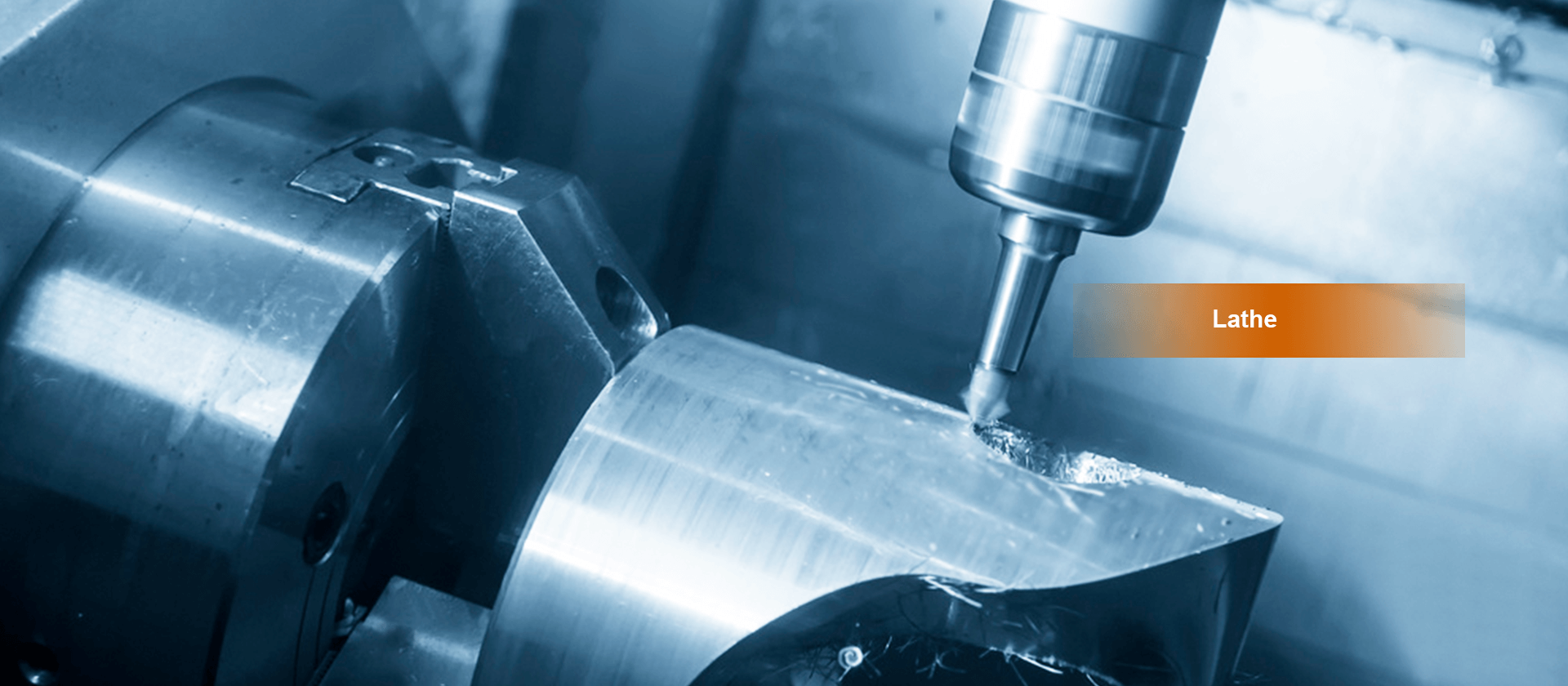
Compression molding looks simple, but the results depend on setup discipline. A good supplier uses clear parameters and stable tooling.
The mold includes an upper half and a lower half. Together they form a cavity that defines the final geometry. Tools are often made from steel or aluminum. Tool choice depends on production needs and wear requirements.
The press must provide enough tonnage to fill and compact the charge. For large parts, higher tonnage gives better consolidation and shape stability.
The charge is a measured portion of material. It may be rubber, silicone, thermoset resin, or composite compound. Common charge forms include prepreg, SMC, BMC, and elastomer blanks.
Charge weight and placement matter. Good placement supports even flow. It also helps avoid surface issues and improves repeatability.
Once the mold closes, pressure forces material to spread through the cavity. Heat softens and activates the material. For thermosets and rubber, heat triggers a chemical change that locks the final structure.
This stage controls most of the final quality. It shapes thickness and defines surface finish.
After forming, the part stays under heat to cure. Then the mold opens and the part is removed. It cools to final dimensions. Finishing may include flash trimming and edge cleanup.
Many parts can be produced in a short cycle. Typical ranges can be around 1 to 5 minutes, depending on thickness and material behavior (data needs verification).
The main factors driving cycle time are listed below.
Cycle time driver | How it affects cycle time |
Material cure speed | Faster curing can shorten total cycle time. |
Wall thickness | Thicker parts usually need more time to cure. |
Press temperature stability | Stable temperature supports consistent curing speed. |
Mold cooling needs | More cooling time can extend the overall cycle. |
If teams control these factors early, production becomes more predictable. It also helps suppliers keep output stable across batches and reduce delivery risk.
Compression molding supports a wide material range. That is a key reason it stays relevant.
Thermosets cure under heat and pressure. They provide stable shape and heat resistance. Common choices include epoxy and phenolic systems. They are used in structural composites and electrical insulation parts.
Melamine is also common when surface finish and heat stability matter. It is often used for kitchenware, laminates, and electrical components.
Elastomers are widely molded by compression. Silicone is popular because it flows well and supports precision shapes. It is used for gaskets, medical parts, and automotive seals.
Other elastomers may be used when oil resistance or weather durability matters. Selection depends on working conditions.
Compression molding is a common route for reinforced composites. Materials like fiberglass-reinforced plastics, SMC, and BMC can deliver strong parts with good weight control.
Fillers and reinforcements help tune performance. They can raise stiffness, improve thermal behavior, or support insulation.
Material type | Common examples | Typical uses |
Thermosets | Epoxy, Phenolic, Melamine | Composites, insulation parts |
Elastomers | Silicone | Gaskets, seals |
Composites | Fiberglass, SMC, BMC | Reinforced components |
B2B teams care about results. Compression molding offers strong advantages in cost, quality, and output stability.
Compression molding often needs less complex tooling than processes that rely on runner systems or injection infrastructure. This can reduce initial tooling spend and shorten setup time for new projects. It also supports faster sampling, which speeds up internal approvals and early production planning.
It fits many low-to-mid volume programs, especially when parts are larger or reinforced. For new products, it can reduce risk and help teams launch faster, even under tight deadlines.
High pressure consolidates material inside the cavity and improves internal density. This supports strength, durability, and stable geometry across repeated production cycles. It performs well in demanding environments, especially for composite structures that require solid consolidation.
For many functional components, this strength advantage also improves assembly reliability and long-term service performance.
In many setups, the material is placed directly in the cavity before molding begins. This supports high material efficiency and helps reduce unnecessary waste during processing. It also supports clean surfaces and minimal knit lines, which improves part appearance for visible components. When finish quality matters, this advantage can reduce polishing needs and lower downstream labor costs.
Compression molding is often chosen for thick-walled shapes and large parts that need stable performance. Press size sets the main boundary, so larger presses unlock larger component potential. For many industrial programs, this makes it a reliable process choice for structural stability. It also supports reinforced parts where stiffness, strength, and durability must stay consistent over time.
Advantage | Value for B2B teams |
Cost-efficient tooling | Lower setup investment |
Strong parts | Better durability |
Material efficiency | Less waste, clean finish |
Large-part capability | Stable thick components |
Choosing the right process is a business decision. It impacts cost, delivery, and performance.
Injection molding works well for high-volume thermoplastic parts and tight tolerance needs. Compression molding is often preferred for composites, large dimensions, and thermoset curing requirements.
Transfer molding adds a step where material is transferred into the cavity. Compression molding loads the charge directly into the cavity. Selection depends on geometry needs, flow control, and production goals.
Both methods can make high-quality parts. Teams choose based on part design and material behavior.
Blow molding is designed for hollow products like bottles and containers. Compression molding is designed for solid shapes and functional components. They serve different manufacturing goals.
Process | Best for | Typical part type | Key note |
Compression molding | Composites, thermosets | Solid functional parts | Direct cavity loading |
Injection molding | High-volume plastics | Precision thermoplastic parts | Tight tolerances |
Transfer molding | Complex molded parts | Solid parts | Material transferred into cavity |
Blow molding | Packaging products | Hollow containers | Forms hollow shapes |
Compression molding spans many industries because it works with many materials and performance requirements.
Automotive teams use it for panels, dashboards, bumpers, housings, and engine-area components. It supports large part production and stable quality, which helps suppliers meet strict delivery schedules. It is also common for composite parts that require stiffness and long service life.
Aerospace programs value strong lightweight components. Compression molding supports composite parts that meet strict performance targets while keeping weight controlled. It helps deliver weight-to-strength benefits and stable geometry, which supports reliable assembly and inspection requirements.
Compression molding is used for medical seals, precision silicone parts, and durable housings. It supports consistent geometry and clean surfaces, which matters for medical-grade applications. It also supports consumer goods that need stable shape, smooth finish, and repeatable mass production output.
Industry | Typical parts | Key value |
Automotive | Panels, housings | Stable large-part output |
Aerospace | Composite components | Lightweight strength |
Medical & Consumer | Seals, housings | Clean, consistent finish |
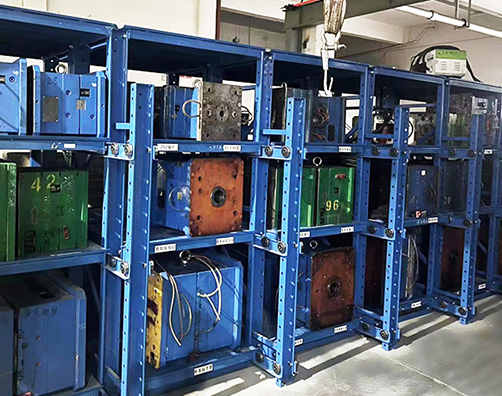
The process works best when design and production stay aligned. Small decisions can improve yield and quality.
Good part design helps material flow and cure.
● keep wall thickness consistent when possible
● plan smooth radii and stable edges
● design features that support demolding
● consider finish and parting line early
These steps improve forming stability and reduce finishing time.
Quality depends on stable parameters.
● mold temperature control
● consistent charge weight
● stable press pressure
● cure profile alignment
When these are locked, output becomes predictable. That helps lead time control and supplier performance.
A strong supplier reduces project risk. Evaluate them with practical questions:
● do they support material selection guidance
● can they design and maintain tooling
● do they run trials with clear reporting
● do they have stable quality systems
Engineering support also matters. Skilled teams can optimize mold flow and production settings.
Compression molding is a cost-effective way to form thermosets, rubber, and composites. It uses heat and pressure to create strong, stable parts. It supports consistent quality and efficient production for B2B programs.
It works well for large components, thick sections, and reinforced structures. When design, material choice, and process settings align, results stay reliable and repeatable. Taizhou Huangyan Huaji Mould Co., Ltd. provides molding solutions that help buyers achieve durable parts, stable output, and better overall value.
A: Compression molding is a process that shapes materials using heat and pressure, then cures them into strong, stable parts.
A: Compression molding supports durable performance, stable dimensions, and consistent quality, which helps factories deliver repeatable B2B production.
A: Compression molding loads a measured charge into a heated mold, closes the press, applies pressure for forming, then cures, demolds, and trims the part.
A: Compression molding works well with thermoset resins, rubber and elastomers, and reinforced composites such as SMC and BMC.
A: Yes. Compression molding can use simpler tooling and controlled material loading, helping reduce waste while keeping part performance strong.
A: Choose compression molding for composites, large parts, or thick sections. Choose injection molding for high-volume thermoplastic parts and fast cycle needs.


