

Views: 0 Author: Site Editor Publish Time: 2026-01-19 Origin: Site


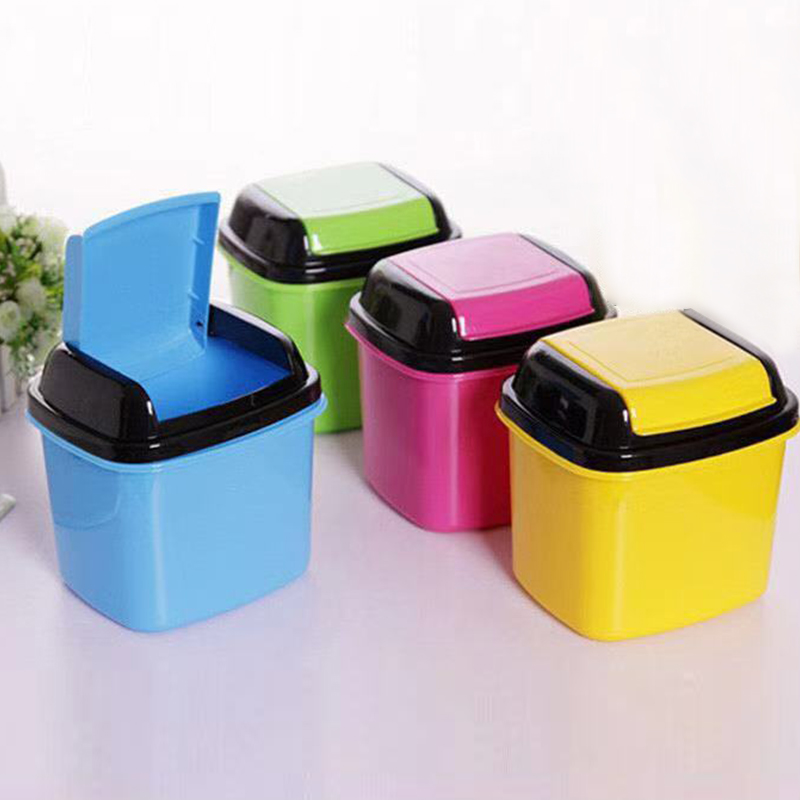
Blow molding and injection molding are two of the most common plastic manufacturing processes. Both offer distinct advantages, depending on the product’s needs. Understanding the differences between blow molding vs injection molding is essential for making the right choice.
In this article, we will explore the key differences between these two methods. You will learn about their processes, advantages, and best applications. By the end, you'll know which process suits your business needs. Companies like Huangyan Huaji Mould help clients navigate these decisions with tailored solutions for optimal production.
Blow molding is a process that creates hollow plastic parts by inflating a softened plastic tube, known as a parison, inside a mold. As the parison is inflated, it takes the shape of the mold cavity. This method is ideal for producing large quantities of hollow products like bottles, containers, and fuel tanks. The most common materials used in blow molding include HDPE (High-Density Polyethylene) and PET (Polyethylene Terephthalate), although other thermoplastics can be used as well.
Applications for blow molding are abundant, especially in industries that require lightweight, cost-effective packaging solutions. Some of the most common blow-molded products include:
● Plastic bottles (for beverages and household products)
● Automotive fuel tanks
● Toys and storage containers
Injection molding, on the other hand, involves injecting molten plastic into a precisely designed mold under high pressure. The material cools and solidifies to form a detailed, solid part. Injection molding is known for its ability to produce highly detailed and complex shapes with tight tolerances. This process is suitable for products requiring strength, durability, and intricate features, such as:
● Medical devices
● Computer and phone housings
● Automotive components (e.g., dashboard parts)
The comparison between blow molding and injection molding can be summarized across several important factors:
Feature | Blow Molding | Injection Molding |
Product Type | Hollow parts | Solid, detailed parts |
Precision | Lower precision (variable wall thickness) | High precision (tight tolerances) |
Tooling Costs | Lower tooling costs | Higher tooling costs |
Speed and Volume | Faster cycle time for large volumes of hollow items | Slower cycle time, but ideal for complex parts |
Blow molding is great for creating hollow items quickly and cost-effectively, while injection molding shines when producing detailed, complex products that require strength and precision. Companies like Huangyan Huaji Mould are experts in both techniques, helping manufacturers choose the right process based on product design and production requirements.
The blow molding process begins with extruding a tube of softened plastic known as the parison. This parison is placed into a mold, and air is blown into the tube, causing it to expand and take the shape of the mold cavity. Once the plastic has cooled and solidified, the product is ejected from the mold, trimmed of excess material, and prepared for any necessary secondary processes.
Blow molding is particularly beneficial for high-volume production of hollow items. The process offers multiple advantages that make it a go-to choice for manufacturers looking to save on costs and improve efficiency. Here is a simplified breakdown of the key benefits in a detailed table format:
Advantage | Explanation | Examples of Application |
Lower Tooling Costs | Blow molds are cheaper to make than injection molds. | Beverage bottles, plastic containers. |
High-Volume Production | Optimized for large-scale, fast production. | Bottles, drums, toys, and coolers. |
Cost Efficiency | Uses less energy and reduces material waste. | Packaging, automotive components. |
Huangyan Huaji Mould is known for designing molds that enhance blow molding efficiency, providing businesses with optimized tooling solutions that help reduce costs and improve output.
Common thermoplastics used in blow molding include:
● HDPE (High-Density Polyethylene): Popular for bottles, containers, and toys.
● PET (Polyethylene Terephthalate): Used for beverage bottles and food containers.
● PP (Polypropylene): Suitable for packaging, automotive parts, and medical devices.
Injection molding involves heating plastic resin until it becomes molten and then injecting it into a precisely designed mold. The mold is held together under high pressure to ensure that the molten plastic fills every cavity. Once the plastic cools and solidifies, the mold is opened, and the part is ejected. The process is highly repeatable and can produce large volumes of detailed parts.
Injection molding excels in producing precise, intricate parts with tight tolerances. Key benefits include:
Advantage | Explanation | Examples of Application |
High Precision | Produces complex shapes with tight tolerances. | Electronic housings, medical devices, automotive parts. |
Versatility | Can use many materials, including thermoplastics and elastomers. | Consumer electronics, automotive, medical devices. |
Strong Parts | Creates durable, high-strength parts. | Automotive components, industrial equipment, structural parts. |
Injection molding can use a variety of materials, including:
● Thermoplastics: ABS, polycarbonate, nylon, and more.
● Thermosets: Epoxy, phenolic, and polyurethane.
● Elastomers: Rubber-like materials for flexibility.
● Metal Powder in a Polymer Matrix: For specific engineering applications.

Blow molding is ideal for creating hollow products, especially when large production volumes are required. Applications include:
● Packaging: Bottles, containers, and jars for food, beverage, and cosmetics industries.
● Automotive Parts: Fuel tanks and air ducts.
● Consumer Goods: Toys, coolers, and storage bins.
Injection molding is better suited for solid, intricate parts requiring high precision and strength. Applications include:
● Medical Devices: Syringes, surgical instruments, and drug delivery devices.
● Consumer Electronics: Housings for phones, computers, and televisions.
● Automotive: Interior and exterior components such as dashboards and trim.
When deciding between blow molding and injection molding, it’s essential to consider factors such as product design, production volume, and material requirements. Each molding technique has its strengths, and the choice largely depends on the specific needs of your project. Below is a comparison of the two methods based on industry-specific criteria:
Consideration | Blow Molding | Injection Molding |
Product Type | Best for hollow products like bottles and containers. | Best for solid, detailed parts requiring high precision. |
Production Volume | Ideal for high-volume, large-scale production. | Suitable for both low and high-volume production of intricate parts. |
Tooling Costs | Lower tooling costs, making it cost-effective for large runs. | Higher tooling costs, but necessary for high-precision parts. |
Precision & Strength | Less precision, good for simple designs. | High precision and strength, ideal for complex and durable parts. |
Huangyan Huaji Mould has extensive experience working with companies across various industries, offering expert guidance on choosing the most suitable molding technique based on production needs and cost considerations.
Blow molding is known for its cost-effective tooling, largely due to the simplicity of the molds. The molds used in blow molding are typically less complex and require lower upfront investment. This lower tooling cost makes blow molding a highly attractive option for businesses focusing on high-volume production of simple hollow parts. Since blow molds are less intricate, the manufacturing process for these molds is quicker and less expensive, allowing businesses to reduce their initial production costs. In turn, the lower tooling investment results in a reduced cost per unit for each product, particularly for industries like packaging, where high-volume runs are common.
In contrast, injection molding requires more complex and precise molds, which come with higher tooling costs. The precision needed for detailed parts increases the cost of molds. While the initial investment is higher, it is justified by the superior quality and precision of injection-molded parts, making it ideal for applications that demand high-strength and detailed components.
Tooling Cost Comparison | Blow Molding | Injection Molding |
Tooling Cost Range | $1,000 - $100,000 | $10,000 - $1,000,000 |
Suitability | Low to medium complexity | High complexity, precise parts |
Blow molding is highly efficient in terms of material usage, particularly for hollow products. The process ensures that minimal material is wasted as excess (such as flash or sprue) is trimmed away after molding. This excess material is then recycled back into the process, reducing waste and improving overall material efficiency. Since blow molding is often used for high-volume production, this material reuse helps lower costs significantly, particularly in industries like packaging where large quantities of products are produced.
Injection molding also focuses on minimizing material waste. The process uses precise molds and controlled injection pressures, ensuring that only the required amount of plastic is injected into the mold. However, some waste can still occur during the sprue and runner systems, which direct the flow of plastic into the mold cavities. Fortunately, this waste is often recycled back into the production cycle, helping to reduce overall material usage and maintain cost-efficiency. The recycling of excess material in both blow molding and injection molding helps improve sustainability by lowering raw material consumption.
Process | Material Usage | Waste Management |
Blow Molding | Efficient for hollow products | Excess material (flash/sprue) is recycled. |
Injection Molding | Minimizes waste with precise molds and controls | Some waste from sprue/runner can be recycled. |
Blow molding is well-known for its fast cycle times, making it an excellent choice for high-volume production, particularly for hollow products. The process is optimized for speed, significantly reducing production lead times. This is especially beneficial for industries that need to produce large quantities of simple parts quickly, such as packaging. The ability to produce high volumes in a short time frame helps manufacturers meet tight deadlines and increase overall production efficiency.
While injection molding typically has longer cycle times due to the need for precision, cooling, and solidification, it can still maintain a high production rate, particularly for complex parts. The cycle times vary depending on part design and material used. However, by using multi-cavity molds, the speed and efficiency of injection molding can be significantly enhanced. This allows manufacturers to produce multiple parts in a single cycle, improving productivity and reducing overall production costs, especially when producing intricate, high-precision components.
Cycle Time | Blow Molding | Injection Molding |
Speed | Fast cycle times for hollow parts | Longer cycle times, requires cooling |
Suitability | Ideal for high-volume, simple products | Best for complex designs, multi-cavity molds improve speed |

Choosing between blow molding and injection molding depends on factors like product design, production volume, and material selection. Blow molding is ideal for producing large volumes of hollow parts at lower costs. Injection molding is better for high-precision, complex, and durable parts. Businesses must consider their product's needs and potential ROI. Taizhou Huangyan Huaji Mould Co., Ltd. offers industry-leading mold solutions, helping clients make informed decisions on which molding process best suits their needs.
A: Blow molding creates hollow parts using air pressure, while injection molding forms solid parts by injecting molten plastic into molds.
A: Blow molding is perfect for high-volume hollow products, while injection molding excels in producing complex, solid parts with high precision.
A: Blow molding offers lower tooling costs and faster production for hollow products. Injection molding provides high precision for detailed, solid parts.
A: Blow molding is cost-effective for large runs of hollow parts, while injection molding is better for small to medium runs of high-precision parts.
A: Blow molding generally has faster cycle times for hollow parts, while injection molding is slower but offers more consistent quality for complex parts.
A: Blow molding typically uses thermoplastics like HDPE and PET, while injection molding can work with a wider variety of materials, including thermosets and elastomers.


